
Rewards Apps in 2026: Starbucks Tiers, Bitcoin, and the Death of Coupons
Starbucks just scrapped its two-tier rewards system for three. Wonder bought its fourth company in a year. Fold launched a bitcoin rewards hub. All of this happened in the first five weeks of 2026.
These aren't isolated announcements—they're connected moves in a race to eliminate friction and lock in customer loyalty. Here's what's actually changing and why it matters for the apps you use every day.
Key Takeaways
- Starbucks replaces its two-tier rewards system with three tiers (Green, Gold, Reserve) launching March 10, 2026: Gold requires 500 Stars annually for non-expiring points, while Reserve requires 2,500 Stars for exclusive events and merchandise.
- Wonder acquired Claim in January 2026, its fourth acquisition in a year, to enable automatic card-linked rewards without coupons or codes: Card-linking technology detects transactions and applies cash back automatically, eliminating the need to activate offers.
- Fold launched a unified bitcoin rewards hub in February 2026 as a foundation for a crypto rewards credit card: Users earning bitcoin rewards face custody decisions, potential tax implications, and price volatility that cash-back programs avoid.
- Rising customer acquisition costs are pushing companies toward retention-focused loyalty programs: Starbucks hit 35.5 million active U.S. rewards members in Q1 FY26, its all-time high.
- Tiered loyalty structures create behavioral nudges and reduce breakage for high-value customers: Customers close to tier thresholds often increase spending, while never-expiring points for top tiers reward loyalty without sacrificing margins on casual visitors.
- Convenience store chain GPM Investments plans to relaunch fas Rewards in 2026 with geofencing and gamification: Location-triggered notifications can drive in-store purchases but risk notification fatigue and privacy concerns if overused.
What's driving the rewards app revolution right now
Four forces are reshaping rewards apps in early 2026: AI-driven personalization, acquisitions by major food delivery platforms, a shift toward rewarding real-world actions over digital tasks, and Gen Z leading loyalty program signups. All four connect to the same underlying pressure—customer acquisition costs have climbed so high that companies are focusing on keeping the customers they already have.
Wonder's acquisition of Claim in January was the fourth major deal for Grubhub's parent company in just over a year. Starbucks announced a complete overhaul of its rewards structure. Crypto-native apps like Fold launched unified hubs that blur the line between spending and earning.
The common thread across all of this? Friction is the enemy. The apps eliminating extra steps fastest are the ones gaining ground.
How Starbucks is reshaping tiered loyalty programs
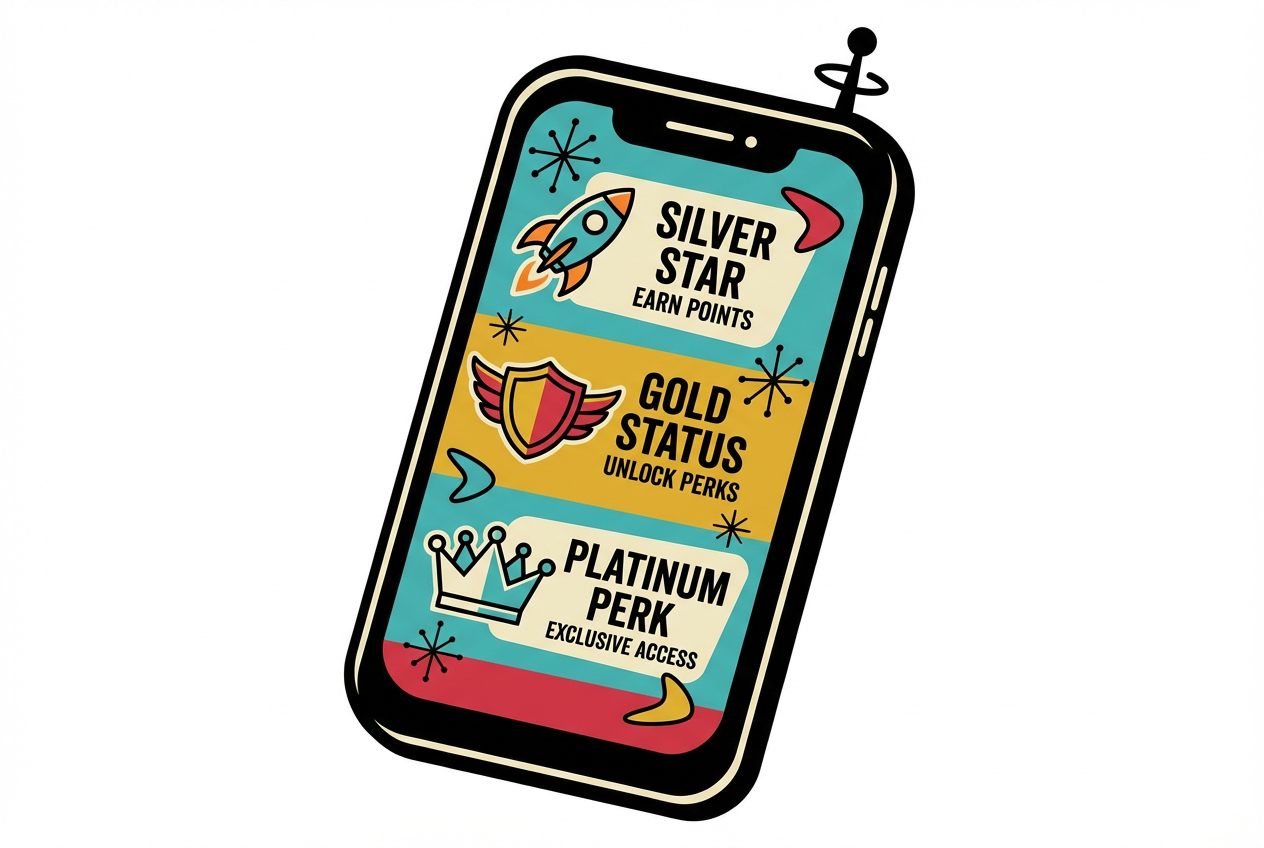
Starbucks announced on February 3 that it's replacing its two-tier system with three levels: Green, Gold, and Reserve. The new structure launches March 10.
Green tier is where everyone starts. You earn Stars on purchases and redeem them for rewards, though your Stars expire after six months. One workaround: make at least one transaction per month, and your expiration window extends by another month.
Gold tier unlocks after you earn 500 Stars within 12 months. The main benefit is that your Stars never expire. You also get access to exclusive offers and early product releases.
Reserve tier requires 2,500 Stars in a year—roughly $250 in spending if you're paying with a linked card. Reserve members get everything Gold offers, plus invitations to special events and exclusive merchandise.
| Tier | Stars Required | Star Expiration | Key Perks |
|---|---|---|---|
| Green | 0 | 6 Months | Basic rewards, 60-Star "$2 off" option |
| Gold | 500 in 12 months | Never | Exclusive offers, early access |
| Reserve | 2,500 in 12 months | Never | Events, exclusive merchandise |
Starbucks also added a new 60-Star redemption option that gives you $2 off any purchase. This lower entry point means you can start redeeming faster instead of saving up for larger rewards.
Why tiered programs are making a comeback
The business logic behind tiers comes down to segmentation. When you have 35.5 million active U.S. members—Starbucks' all-time high as of Q1 FY26—treating everyone the same leaves value on the table.
Tiered structures create aspiration. A customer who's 50 Stars away from Gold status might grab an extra latte to cross the threshold. That behavioral nudge is often worth more to Starbucks than a flat discount.
Then there's breakage—rewards that are earned but never redeemed. By making top-tier Stars never expire, Starbucks reduces breakage for its most valuable customers while maintaining it for casual visitors. It's a calculated trade-off that rewards loyalty while protecting margins.
How Wonder's acquisition of Claim signals the death of coupons
Wonder acquired Claim on January 22, adding a restaurant rewards app to a portfolio that already includes Grubhub, Tastemade, and Spyce. What makes Claim different is its "no-action-required" model.
Traditional rewards programs ask you to clip coupons, scan QR codes, or remember to activate offers before you shop. Claim skips all of that. When you pay at a participating restaurant, the system automatically recognizes your transaction and applies any available cash back. No codes, no extra apps, no friction.
Card-linking technology makes this possible. You connect your debit or credit card once, and the app monitors transactions in the background. When you spend at a qualifying merchant, rewards appear automatically.
- Why restaurants care: Claim's machine learning matches diners with restaurants they're likely to visit again. Sam Obletz, Claim's co-founder, described it as helping restaurants find "their next regulars."
- Why Wonder cares: Integrating Claim into Grubhub bridges the gap between digital ordering and in-person dining, giving Wonder a presence in both.
Tip: If you're already using receipt-scanning apps like Fetch or Ibotta, card-linked rewards can stack on top. You're not choosing one or the other—you're layering them. Learn how to combine multiple rewards apps on the same purchase.
What card-linking technology actually does
Card-linking connects your payment card to a rewards platform through secure data partnerships. When you make a purchase, the transaction data flows to the rewards app, which checks it against available offers.
Here's how the process works:
- You link your card in the app (one-time setup)
- You pay normally at a participating merchant
- The app detects the transaction and matches it to an offer
- Cash back or points appear in your account automatically
This eliminates the "forgot to activate" problem that plagues traditional coupon-based programs. It also removes the receipt-scanning step, though you can still use receipt apps alongside card-linked rewards for additional earnings.
How convenience stores are using location intelligence
GPM Investments plans to relaunch its fas Rewards program in 2026 with upgraded personalization, gamification, and geofencing capabilities. The program already has roughly 2.4 million enrolled members, and the refresh aims to make those members more active.
Geofencing creates a virtual boundary around a physical location. When your phone crosses that boundary, the app can trigger a notification—a welcome-back offer, a time-limited challenge, or a reminder about points you're close to earning.
The potential is real, but so are the pitfalls:
- Notification fatigue: Too many alerts train customers to ignore them entirely
- Offer cannibalization: Discounting purchases that would have happened anyway eats into margins
- Privacy concerns: Location tracking requires clear opt-in and easy opt-out to maintain trust
Done well, geofencing can convert someone pumping gas into someone buying a coffee inside. Done poorly, it becomes noise.
When rewards become financial products
Fold launched a unified app on February 4 that combines your balances, transactions, bitcoin rewards, and spending into a single hub. The company is positioning this as the foundation for a bitcoin rewards credit card later in 2026.
Apps like Fold are betting that some users prefer earning bitcoin over cash back or points. For users comfortable with crypto, this is an appealing option. For everyone else, traditional cash back remains simpler.
Here's what changes when rewards shift into crypto territory:
- Custody: Someone holds your bitcoin—either you or the app
- Tax reporting: Crypto rewards may count as taxable income
- Volatility: Your 5% back could be worth 4% or 6% by next week
- Disclosure: Fintech apps face different regulatory requirements than traditional loyalty programs
Why mobile-first design matters for rewards apps
Awardco launched a new mobile app in December 2025 built around a striking claim: 80% of the global workforce works away from a desk. If your rewards program only works well on desktop, you're missing most of your potential users.
This applies beyond employee recognition. Receipt-scanning apps, card-linked rewards, and location-based offers all depend on mobile access. The apps winning market share are the ones that work seamlessly on a phone—quick to open, easy to navigate, and functional offline when needed.
What consolidation means for smaller rewards apps
Wonder's four acquisitions in just over a year signal that major platforms are buying capabilities rather than building them. Machine learning for personalization, transaction recognition, media partnerships—all of this takes years to develop internally.
For independent rewards apps, consolidation creates two paths:
- Partnership: Integrate with larger platforms to access their user base
- Acquisition: Become a target by building something a major player wants but doesn't have
The risk is getting squeezed out entirely. As integrated ecosystems grow, standalone apps may struggle to offer enough value to justify another download on someone's phone.
What to expect from rewards apps next
The trends reshaping rewards apps—tiered structures, frictionless experiences, fintech integration, and consolidation—aren't slowing down. More programs will likely adopt Starbucks-style tiers. More acquisitions from delivery and fintech platforms seem probable. And the pressure to eliminate every unnecessary tap and swipe will continue.
The apps that thrive will be the ones that reward you for what you're already doing, without asking you to change your behavior or remember extra steps. That's the direction the industry is heading, and it's worth paying attention to which apps are getting there first.
Frequently Asked Questions
Do rewards apps actually pay out real money or gift cards?▾
Yes, rewards apps pay out through gift cards, cash back, or direct deposits—apps like Fetch and Ibotta deliver gift cards after you scan receipts, while card-linked apps like Claim deposit cash back automatically after qualifying purchases.
What rewards app gives you the most value for everyday spending? ▾
Starbucks Rewards delivers strong value for frequent coffee buyers with its new three-tier system that offers Stars never expiring at Gold level and exclusive event access at Reserve level, while card-linked apps like Claim work best for restaurant spending since they require zero extra steps.
Which loyalty programs rank highest in 2026? ▾
Starbucks leads with 35.5 million active U.S. members and a newly expanded three-tier structure, while GPM's fas Rewards is upgrading its 2.4 million-member program with geofencing and personalization features launching later in 2026.
Can you stack multiple rewards apps on the same purchase? ▾
Yes, you can layer card-linked rewards with receipt-scanning apps—pay with a linked card to earn automatic cash back through Claim, then scan the same receipt in Fetch or Ibotta for additional rewards on qualifying items.